A handbag has long ceased to be merely a practical accessory. Throughout the twentieth and twenty-first centuries, designers have transformed it into a true work of art, blurring the boundaries between fashion, sculpture and jewellery.
From Jewel Box to Work of Art
The story begins with the minaudières of the 1920s — elegant evening bags resembling precious jewel boxes. Crafted from gold, enamel, pearls and gemstones, some of these exquisite creations rivalled fine jewellery in both craftsmanship and value.
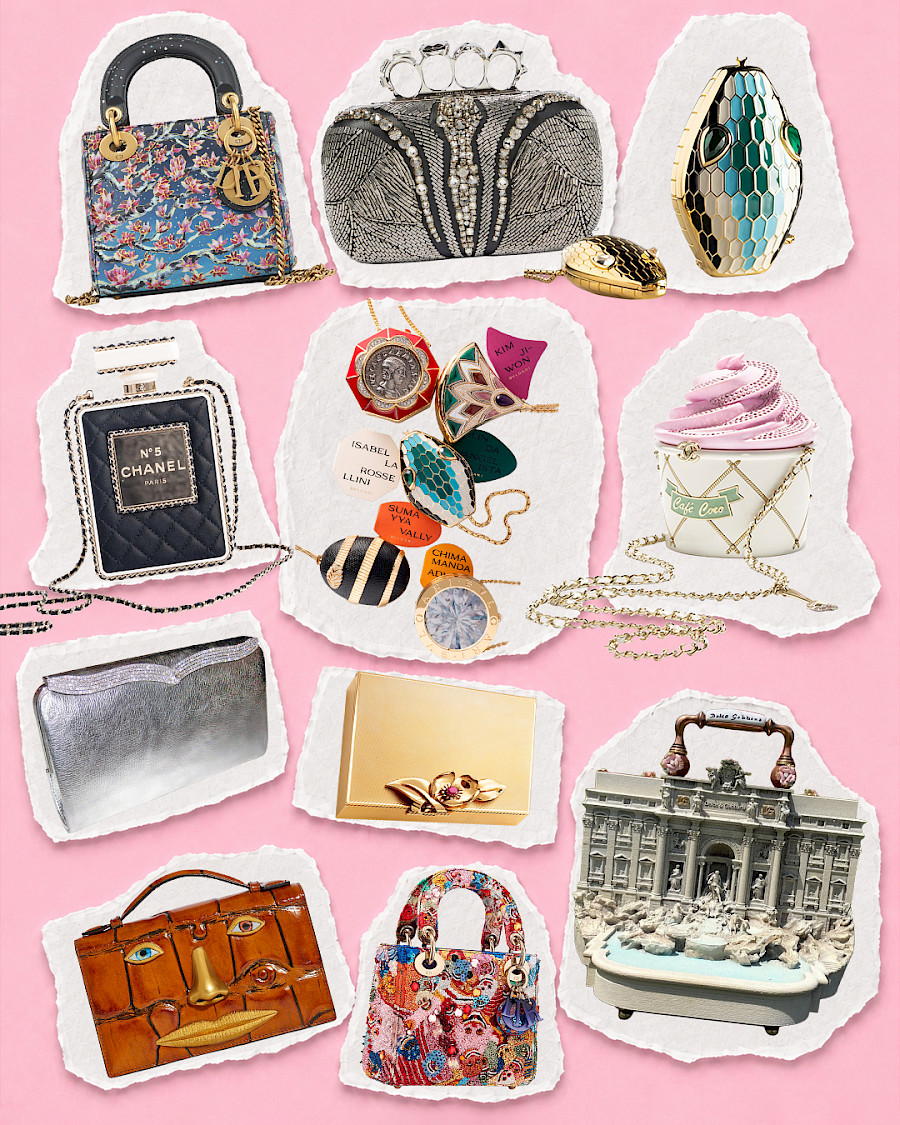
Among the most iconic examples are the creations of Judith Leiber. Her whimsical handbags shaped like animals, fruits and fantastical objects, entirely covered in crystals, became highly sought-after collectibles and found their place in museums around the world.
A Symbol of Status
By the second half of the twentieth century, the luxury handbag had firmly established itself as an investment piece. Fashion houses began incorporating rare materials, intricate embroidery, precious metals and exceptional decorative techniques into their designs.
For many brands, the handbag became what a statement necklace is to a jewellery house: the ultimate expression of craftsmanship, creativity and prestige.
Today, the most desirable bags are created at the intersection of fashion and art. Produced in limited editions, they are often adorned with gold details, gemstones and painstaking handwork.
Such pieces are rarely purchased solely for everyday use. They are collected, exhibited at auctions and passed down through generations — much like fine jewellery.
Beyond Fashion
The most extraordinary handbags transcend their practical purpose. They become heirlooms, objets d’art and symbols of personal style, proving that a handbag can be every bit as precious as the jewels worn beside it.